In transit…
We could watch planes all night long, or we could take a shuttle bus to find an izakaya in Narita town…..
Hmm I wonder what we will do.
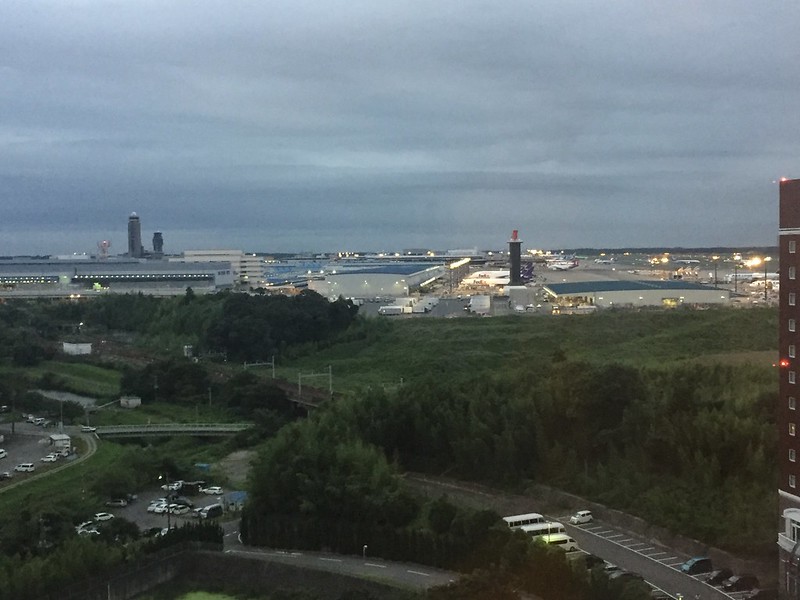
We could watch planes all night long, or we could take a shuttle bus to find an izakaya in Narita town…..
Hmm I wonder what we will do.
Finally got around to editing the New Zealand video. Hope you enjoy it.
Yes, we have made a video! It goes for around 10 minutes. It is surprising how many things we did in Japan for which we have no photos, so really the title should be See Japan mostly the way we see it!!
For our Japanese speaking friends, we apologise if somehow the music we’ve used in this video is inappropriate – it sounded good to me, but unfortunately I don’t understand what they are signing!
For those technically minded, I have to admit that making these videos have been a struggle since Apple deprecated Aperture – a fast and effective photo management systems. For my mind Adobe’s Lightroom is a bit more like a slug and its slideshow capability is so very disappointing.
Sometimes turning things inside-out-upside-down is the only way to fix things. I was having no success make a slideshow at the speed I need with any tool include a big range of Time-lapse assembly tools. But I have turned things inside-out-upside-down and taken an entirely different (and now somewhat obvious approach). Let me share with you the steps that allowed me to create this slideshow with the free software that is installed on every new Mac!
Step 1) Download all photos into the Mac Photos app. This involved photos from my EOS M and Helen’s SX270HS and our two iPhones (6 and 6s)
Step 2) Examine photos and work out that the camera times/dates are not calibrated, use the batch update to ensure that all photos are on the same timeline.
Step 3) Bring all the candidate photos into a single Album or Smart Album
Step 4) Grrr. Apple – in Aperture you could exclude all Portrait photos by a simple rule – this isn’t available in Photos – so apply a tag to those photos using keyboard shortcuts (mostly portrait) you want exclude. You can also use the tag to exclude other photos that don’t belong.
Step 5) Create a Smart Album that then excludes the tagged photos from the candidate photos.
Step 6) Select all of these photos in the Smart Album and create a New Slideshow Project. Photos seems to have difficulty working with slideshows that are faster than 0.5 seconds per slide. Make sure you have no transitions. From here you can run through the slideshow and do that final sanity check – don’t leave in too many long boring sequences.
Step 7) Once you are happy, export it as a video. I export at 1080HD (although the Vimeo embed you have watched is much lower quality – trust me the slideshow looks awesome on my flat panel tv).
Step 8) Load up iMovie. Add your exported video to the iMovie clip library, drag this clip onto your project and right click on the clip and hhow the Speed Editor. From here you can choose precisely how long you want the clip to be – in this case I took a 34 minute clip and said I wanted to play it for 10 minutes. What is amazing is how fast this approach is.
Step 9) Use iTunes to find tracks that you like and drag them onto iMovies.
Step 10) Get fancy and choose a still that you like add a title at the beginning
Step 11) Share it as a file or directly to Vimeo.
Step 12) Write a witty blog post :)
Easy, trust me.
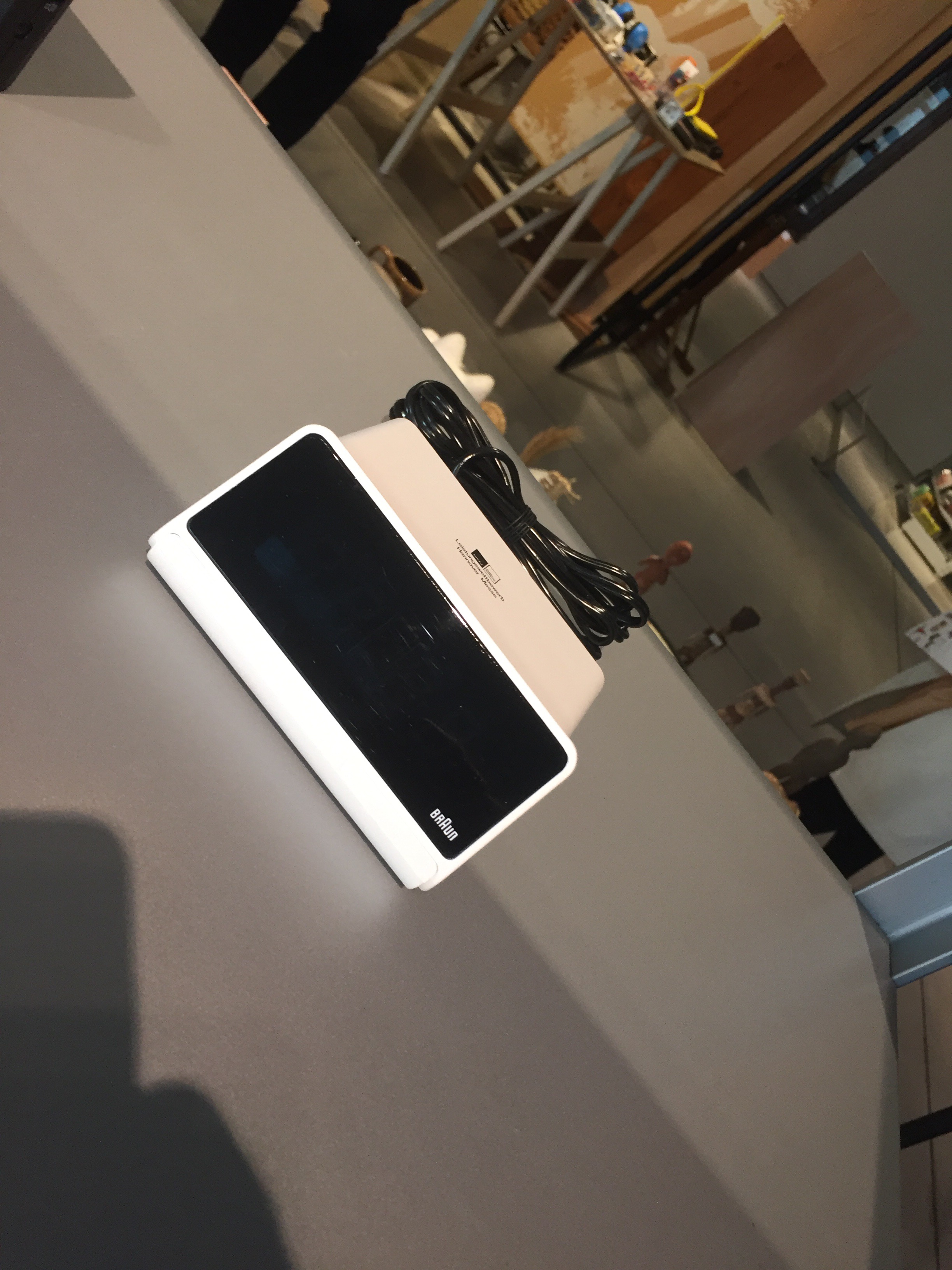
We’re at 21_21 Design Sight learning about Zakka!
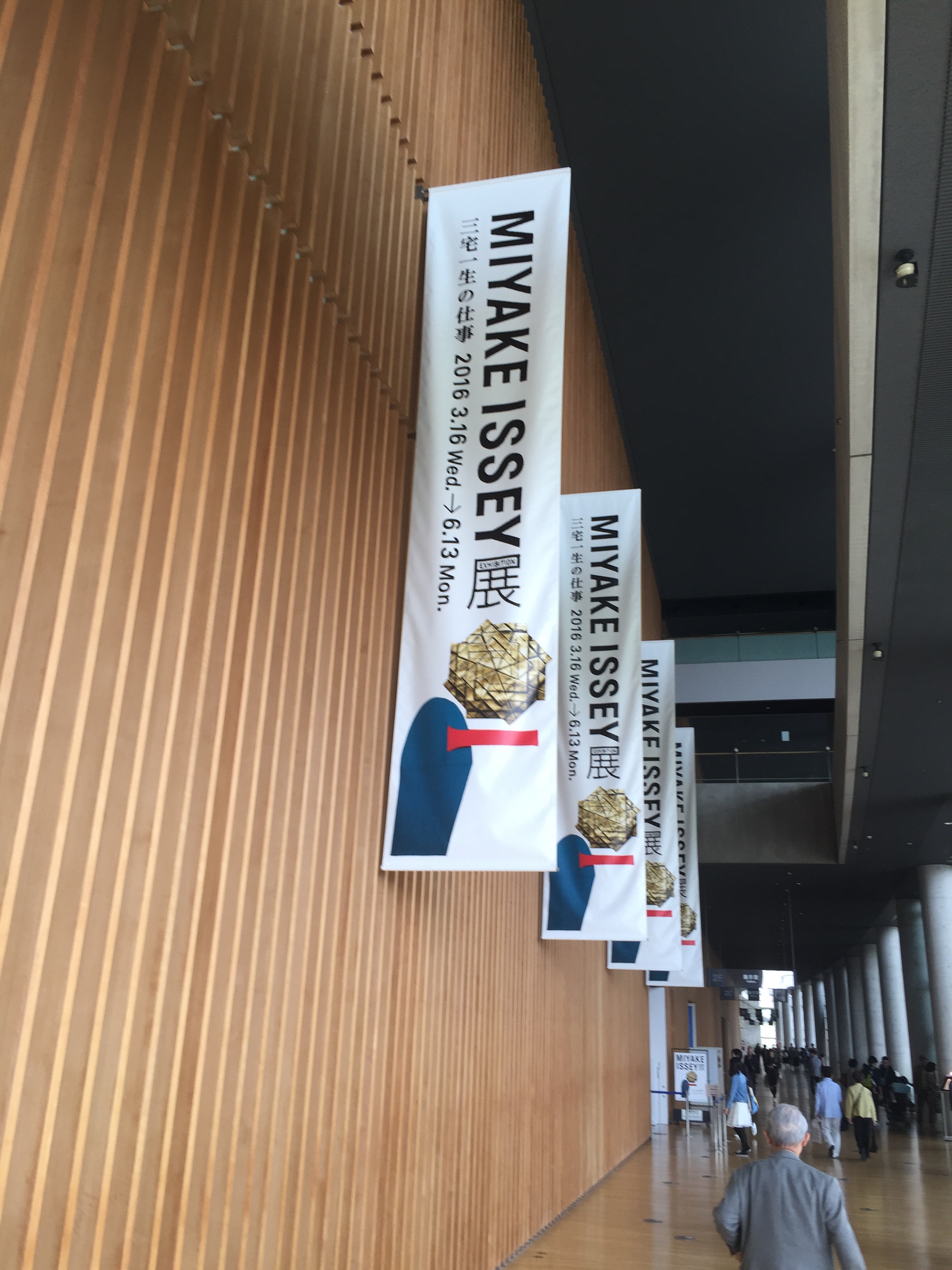
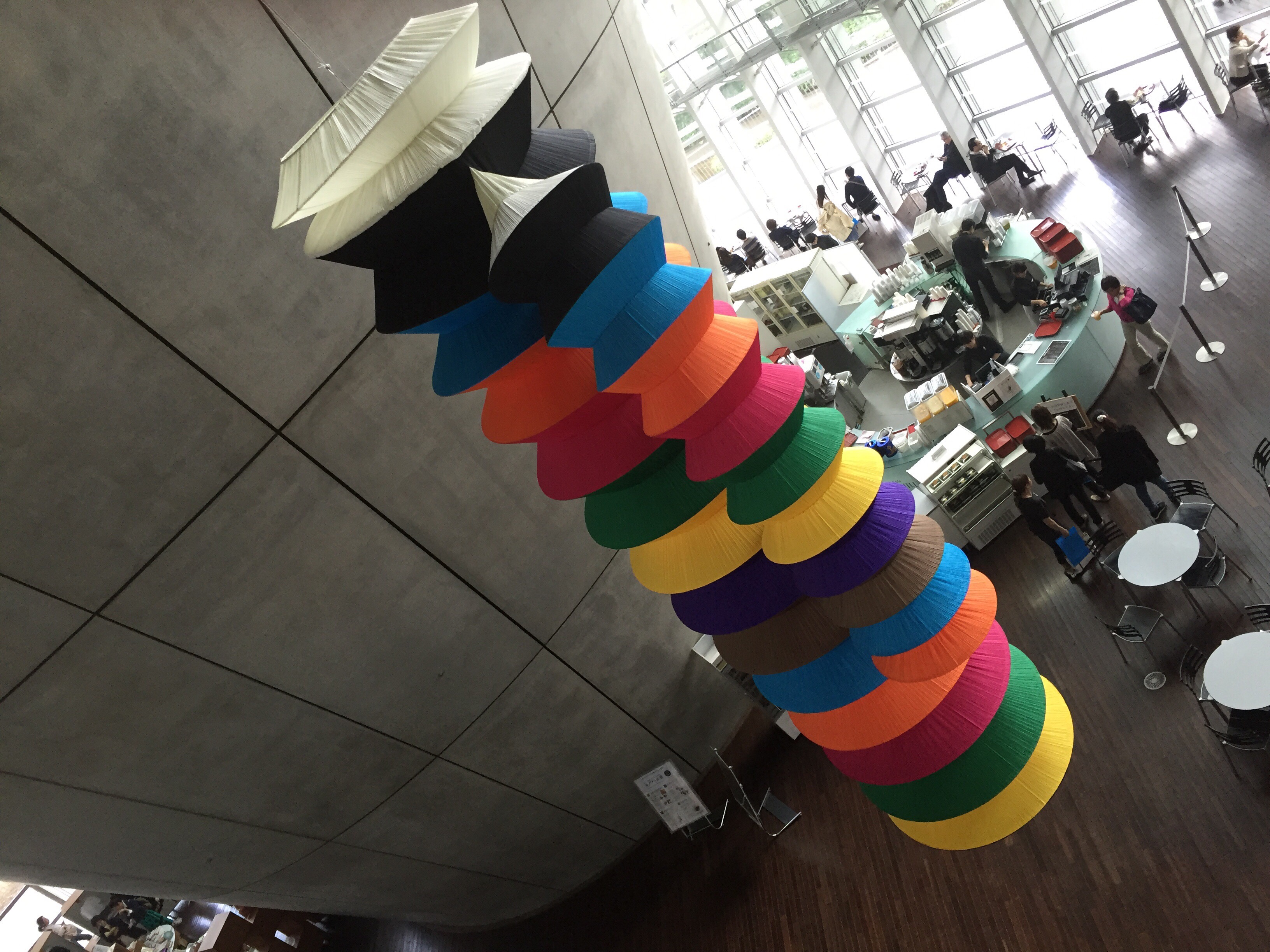
Just went to the National Centre for Art in Tokyo. Great Miyake Issey exhibition. Sorry no pictures allowed inside.
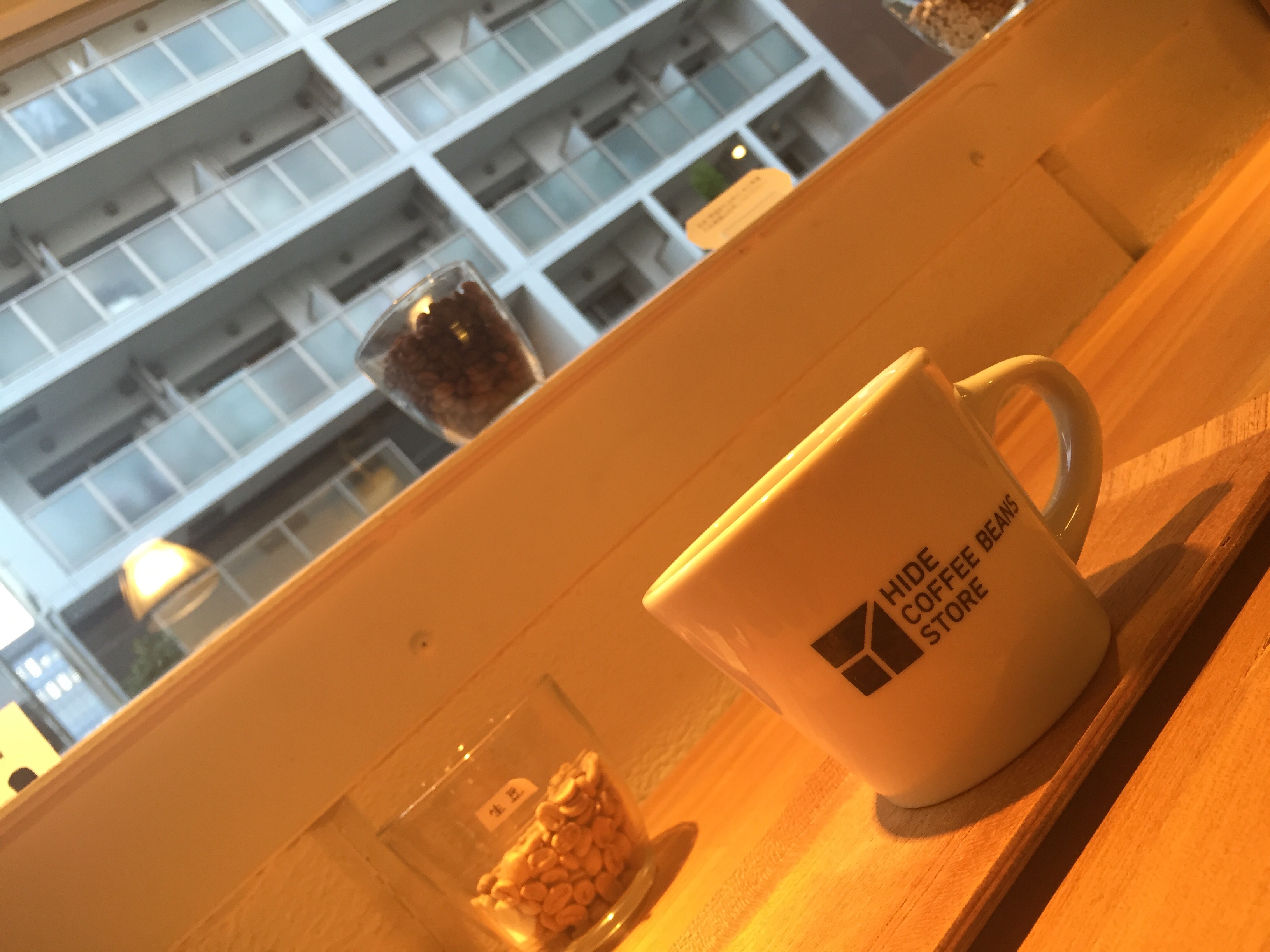
Thought you’d like to know that Hide Coffe Beans Store only makes pour overs. They are great!
Try the Hide Blend.
In Kanazawa we heard about the Tonami Tulip Festival. We thought it would be a good day trip. We did our research and had a look at good old Google Maps, it said that Tonami was about 30kms away from Kanazawa. We could take a Shinkansen, local trains, or we could ride our bikes.
I thought no worries. It would be be about 1hr 30 minutes on the bike at our normal speed.
With that research we proceeded to put the details into the Garmin. I didn’t pay too much attention. What Mr Google didn’t tell me was that Mr Garmin would chose a different route. This route was closer to 54km (taking the back roads I think) and it included mountain along the way.
Thankfully it was a small mountain with a temple on top. Aweseome views and great, cheap, food.
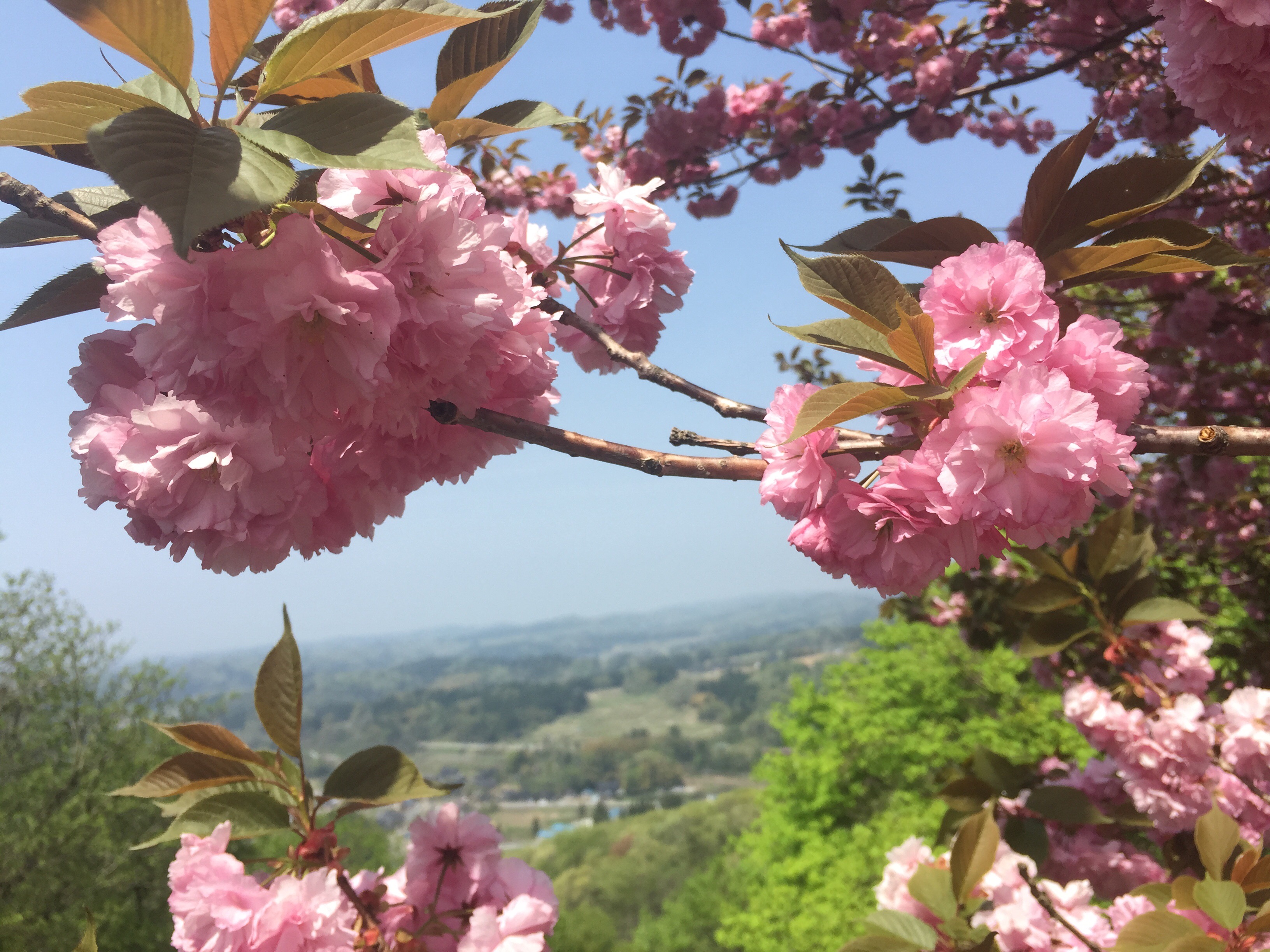
What you may have worked out, it talk longer than 1.5 hours, it took as more than 4hrs! The flowers were worth it.


Sometimes optimism bias leads you to do things that you may not otherwise have thought as wise, and perhaps giving you rewards that you never expected.
You’d be pleased to know that we took the Shinkansen back to Kanazawa.
ride a deep fried ebi!

Japan seems to be built for optimism bias.
Optimism bias causes a person to believe that they are less at risk of experiencing a negative event compared to others.
It explains why humans sometimes don’t follow what would appear to be the objective rational path.
Helen and I have been known to exhibit optimism bias on holidays.
The most famous occasion, perhaps, was visiting the World Financial Centre building in Shanghai during a short international layover in 2009. Yes, the Maglev did travel at more than 500km/h but it didn’t mean that everything else around it wasn’t going to be slow. As we we were being shepparded into the experience room, we had this feeling we were going to miss our plan. Helen is her best ‘you can’t do that in a library’ voice demanded that we get the priority route with no experiences. Thankfully, although we were the last to enter through the international gates, we just made it.
You’d think we’d learn. But I can think some examples already from this trip where we were, perhaps, subject to optimism bias. I’ll post some of these stories on the blog with the tag “optimism bias”.

On the very first night we were booked into a Geisha Evening show. We must turn up by 5:50pm or risk losing our spot. No worries we though, we’d ride our bikes and use Google Maps. We didn’t actually know the place we were going to. I can tell you, Google Maps directed us to a back entrance we arrived at 5:49pm. A little to close for comfort – but hey we made it.
We will see Fujisan. The weather is a good and we are on a train to Kawaguchiko now!